World heading for catastrophe over natural disasters, risk expert warns

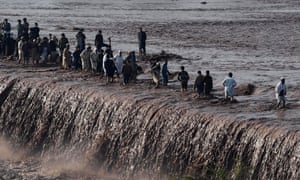
 Pakistanis cross a flooded street following heavy rain on the outskirts of Peshawar on 4 April 2016. 


The world’s failure to prepare for natural disasters will have “inconceivably bad” consequences as climate change fuels a huge increase in catastrophic droughts and floods and the humanitarian crises that follow, the UN’s head of disaster planning has warned.
Last year, earthquakes, floods, heatwaves and landslides left 22,773 people dead, affected 98.6 million others and caused $66.5bn (£47bn) of economic damage(pdf). Yet the international community spends less than half of one per cent of the global aid budget on mitigating the risks posed by such hazards.

Comments

Popular posts from this blog

Audio | Ali Kiba Ft. M.I - AJE | Mp3 Download

Audio | Ali Kiba Ft. M.I - AJE | Mp3 Download

QN: HIIT: Is there a shortcut to exercise?

We all know that exercise is good for us, but often struggle to do the 150 minutes of moderate level activity a week that's recommended. So what's the alternative, asks Michael Mosley. A few years ago, while making a Horizon documentary called The Truth about Exercise I was introduced to something which changed my life -   HIIT or High Intensity Interval Training . Typically you do a few very short bursts of intense cycling on an exercise bike, with brief recovery periods. The promise of HIIT is that you will get maximum benefit in minimum time - and that is certainly what I have found. But how well does it compare to other forms of exercise? With the help of researchers from Nottingham University we decided to find out. We started by recruiting a group of 24 volunteers, aged between 40 and 60, who all have jobs and lifestyles that are best described as "pretty sedentary". We then divided them into four groups.